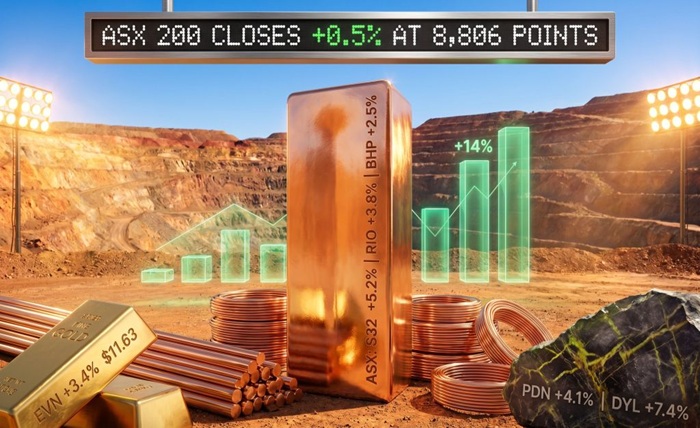
The web of interconnections in the global financial system is such that very few moves happen in isolation. Commodity sectors are generally correlated across asset classes due to shared macroeconomic variables. The metal and energy sectors have gone hand in hand over the past few months and have outperformed the overall equities market.
Understanding the factors that influence these sectors can offer market participants valuable insights into the fundamental status of the industrial economy.
The Structural Relation between Energy and Metal
The basic mechanics of the industry determine that metal and energy are co-moving. Also, producing metals is extremely energy-intensive. Smelting steel, aluminium, and copper is particularly energy-intensive. Metal manufacturing companies are seeing their operational expenses rise as power, fuel and coal input costs increase, putting pressure on or driving finished product pricing.
However, metals are very much dependent on the energy sector. Traditional power grids, oil refineries and modern renewable energy infrastructure require huge quantities of industrial metals. Wind turbines, solar panels and batteries for electric vehicles all need tons of aluminium, copper and speciality steel. They demand each other. So if one sector grows, the other will naturally grow as well. Thus, the Nifty Metal share price tends to move in the same direction when the Nifty Energy share price is in strong upward momentum.
The Current Market and Performance Factors
There is an obvious shift of capital in the equity market from expensive software and banking sectors into industries with actual assets. The major drivers have been domestic infrastructure projects, heavy capital spending on transportation networks, power transmission and urban development.
Metal stocks have had a strong year. The Nifty Metal index held its ground and kept climbing even as benchmark indices slipped under the weight of global geopolitical concerns. Nifty Energy has also trended higher, supported by rising domestic power demand and a gradual move toward more diversified energy systems.
The Macroeconomic Environment
The simultaneous growth of these two large industries speaks much about the present economic landscape. First, it highlights that physical infrastructure development remains the main engine of economic growth. Digital transformation is the focus of worldwide attention, while raw materials and energy are needed to support the physical infrastructure of expanding data networks and metropolitan centres.
Second, the co-movement suggests sticky industrial inflation. Metals and energy are important inputs for manufacturing, construction and logistics, and with prices in these sectors remaining elevated, downstream production costs will continue to be high. That suggests consumer goods companies may be under margin pressure for a while.
Finally, the trend is toward structural changes in international commerce. The creation of indigenous manufacturing capabilities and regionalisation of supply chains have shielded these industries from external slowdowns, allowing them to lead returns in the domestic market.
Final Thoughts
The demand-driven structural links between market values and corporate earnings of metals and energy producers. The Nifty Metal and Nifty Energy share prices together provide a clear picture of the real-world economic momentum.
The joint current strength is evidence that the base of the physical economy is very much alive, with big infrastructure commitments and a growing need for global industrial power.