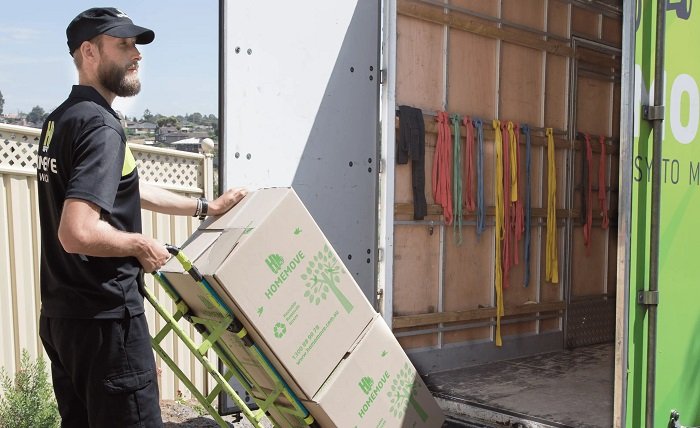
It usually starts quietly. A lease overlaps by a week, the closing date slips, or the new place is ready but the old one is not. The result is the same: extra fuel, packing supplies, temporary lodging, meal receipts, and a place to keep furniture while the calendar catches up.
That is where moving and storage stop being a convenience topic and become a household budgeting issue. For families and small property owners, the real question is not whether to store things. It is how long to store them, what deserves protected space, and which costs are reasonable.
The trouble is that people often plan the move itself and ignore the gap in between. That gap is where rushed rentals, weak security choices, and poor timing turn into liability, disruption, and avoidable loss.
Why the middle of a move is where budgets get punished
Moving is one of those household events that looks temporary but behaves like an operational project. The budget does not only absorb the obvious line items. It also has to handle timing risk, duplicate housing costs, and the expense of keeping possessions safe while life is in transit.
For renters, homeowners, and landlords dealing with turnover, a storage decision can be the difference between a clean handoff and a chain of delays. Miss one week of coordination and you may pay for an extra truck, an extra day off work, or a rushed replacement for something you should have protected.
Security is part of the budget, not an add-on to it. A cheap setup that invites damage, theft, or weather exposure often creates more cost than it saves. The hidden expense is easy to miss and hard to undo.
There is also a cash-flow angle that gets overlooked. When people spend more than expected on the move, they may lean on cards, delay other bills, or dip into savings meant for emergencies. A short-term convenience choice can therefore become a longer-term budgeting setback. This is often when decision-makers narrow things down to Phoenix quick-access unit space that hold up under pressure.
The same is true for property owners who need to stage, clear, or turn over a unit quickly. If belongings are not handled in an orderly way, vacancy stretches, repair timelines slip, and carrying costs rise. In that sense, storage is less about extra room and more about keeping the rest of the plan from breaking down.
- Short-term discounts can be expensive if they force a second move.
- Poor access hours can create labor costs and schedule conflicts.
- Weak locks, sloppy records, or shared codes raise liability fast.
The decisions that actually change the bill
Most moving budgets fail in the same place: they treat storage like a placeholder instead of a real operating cost. Three questions usually decide whether the plan stays controlled or slips into messier expenses.
The first is whether the items are worth the monthly carry. The second is whether the arrangement fits the timing of the move. The third is whether the setup protects value without creating extra work.
Size is not the real question:
People often rent by instinct and end up paying for empty space. That sounds minor until the charge repeats for several months. The better question is what must stay accessible, what can be stacked safely, and what could be sold or donated instead of stored.
A disciplined estimate usually beats a generous one. If the arrangement includes climate-sensitive items, records, or keepsakes, the cost of proper conditions is easier to justify than the cost of replacing warped or damaged goods later. Replacement value matters more than original price when deciding what deserves protected space.
Access hours can create real money pressure:
A storage unit is not only about square footage. It is also about whether you can reach it without burning a workday or paying extra labor. If a family has to revisit the site multiple times because they packed badly, the convenience story falls apart quickly.
For people coordinating a home sale, renovation, or job change, access becomes a continuity issue. The wrong setup can force schedule changes, more stress, and more mistakes. Paying for easy access only makes sense when the household will use it enough to justify the convenience.
The security shortcut that looks harmless:
The most common mistake is assuming the place is safe because it looks orderly. Clean aisles and modern doors are reassuring, but the real question is whether the operation supports responsible control: secure entry, reliable monitoring, and staff who notice problems.
One uncomfortable trade-off sits here. The cheapest option is rarely the most expensive to use, but better protection and better management can cost more up front. Some households try to save a little and end up paying in replacement value, time, and frustration.
Another mistake is underestimating how much disorder creates risk. Poor labeling, loose packing, and mixed categories make retrieval slower and increase the chance of damage when boxes are moved again.
A tighter way to plan the move before the money leaks
A better plan does not need to be fancy. It needs to be honest about timing, risk, and the things that would hurt most if they were damaged or delayed.
The easiest way to stay disciplined is to treat the move like a short project with a budget, a deadline, and a backup path.
- List items by urgency, not by room. Keep essentials, fragile items, and anything tied to work or family records separate.
- Compare the true carrying cost for each storage choice. Include fees, insurance, fuel, labor, and repeat trips, not just the monthly number.
- Set a move-out and move-in sequence that reduces overlap. Avoid paying for days you do not need while leaving room for delays.
- Pack with retrieval in mind. Label boxes clearly, group similar items together, and leave a simple path to the things you might need first.
- Review the arrangement after the first week. If it is creating extra trips, extra stress, or unexpected spending, adjust before the costs become a habit.
What this really says about household planning
The deeper issue is that many households treat moving as a temporary inconvenience when it is really a test of planning under pressure. The same habits that create financial discipline elsewhere show up here: clear records, realistic timing, and a willingness to pay for reliability when it protects something important.
There is also a trust problem hiding in plain sight. Once a household has to place belongings somewhere else, the quality of the operation matters more than the promise on the door. Good facilities reduce operational drag because people can focus on the move itself instead of managing risk every hour.
That is why the smartest households think beyond the move date. They plan for the sequence after the truck leaves: who has access, what still needs to be sorted, which items are likely to sit for months, and how much cash should remain available for the unexpected.
For a broader personal finance mindset, the lesson is simple. Temporary problems become costly when they are handled reactively. A move with overlapping dates, stored belongings, and competing deadlines is not the time for vague assumptions.
A move is temporary; the budget damage does not have to be
People rarely regret paying for order. They regret paying twice because they rushed the first decision. That is why storage deserves a place in the moving budget from the start, not as a cleanup item after the calendar goes sideways.
For households trying to protect cash flow, the smartest approach is simple: choose the least complicated setup that still protects value, supports access, and does not create avoidable liability